
You’ve probably had French Toast, but what about Rabanadas?
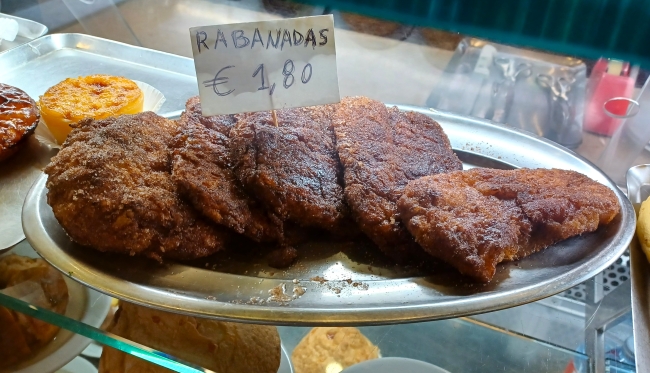
Rabanadas origin story
What’s known today as French Toast can actually trace its roots back 2,000 years to ancient Rome where bread soaked in milk was fried in olive oil and drizzled with honey. Not exactly French Toast (where’s the eggs?), but close enough.
Through the centuries, English, German, Spanish, and Ottoman cultures adopted and adapted similar recipes.
Today, French Toast is the most popular of the bread dipped in an egg and dairy mixture and fried recipes. But, there are similar versions all over Europe and around the world.
One of my favorites is the Torrijas in Spain. The milk is sometimes infused with red wine or spices like cardamom or star anise! I have a fond memory of sitting in a bar in San Sebastian early one Sunday morning. The city was just beginning to stir and the waiter at this bar was understandably grumpy after working late the night before. But, the Torrija, served with honey drizzled on top, was divine!
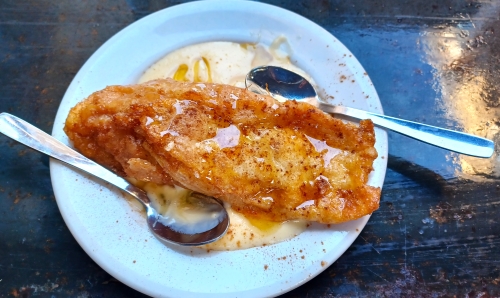
Rabanadas
The Portuguese have their own spin on this recipe and, not surprisingly, it’s amazing.
Slices of stale bread (stale bread works best because it soaks up the egg mixture and doesn’t fall apart) are drenched in a whisked-together combination of eggs, milk, cinnamon, vanilla, and a pinch of salt. A splash of Port Wine is often added to give the Rabanada a nice depth of flavor.
After soaking the bread, the slices are fried in olive oil and then topped with sugar and cinnamon. Sometimes honey might be drizzled on top.
Rabanadas are often enjoyed with a glass of wine but I like mine with a strong cup of Portuguese coffee. This treat is the kind of creamy custardy yumminess with a crispy exterior that Portuguese bakers excel at.
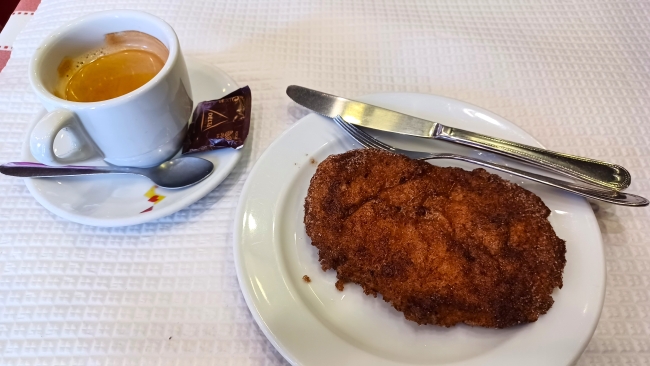
Traditionally, Rabanadas were served at Christmas, but now you can find them pretty much year-round in Portugal.
Where to get Rabanadas
Most Portuguese bakeries will carry Rabanadas. Be sure to look for a bakery with the words “Fabrico Proprio,” meaning House Made. Then you’ll know they’re making the Rabanadas fresh and in-house.
One of my favorite traditional coffee shops in Lisbon is Martinho da Arcada. It’s just steps from some of the worst tourist traps in Lisbon, but Martinho is a world away; filled with locals enjoying an espresso and a sweet treat or lunch. Martinho da Arcada has good Rabanadas that go great with your coffee.
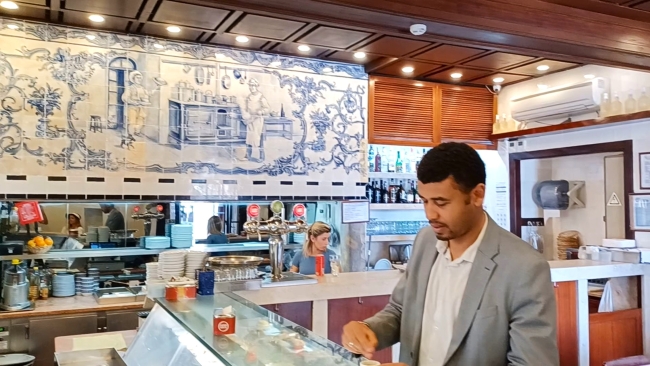
If you’re in Porto, there’s Café Guarany for Rabanadas. They’ve been around for almost 100 years.
A Cozinha do Manel tops their Rabanadas with raisins and pine nuts and a drizzle of honey.
There’s even a confraria (a fellowship) dedicated to preserving the culinary culture of the Rabanada. Confraria Gastronómica da Rabanada holds events and workshops to keep the heritage of the Rabanada alive.
About the Author

Brent Petersen is the Editor-in-Chief of Destination Eat Drink. He currently resides in Setubal, Portugal. Brent has written the novel Truffle Hunt (Eckhartz Press) and the short story collection That Bird. He’s also written dozens of foodie travel guides to cities around the world on Destination Eat Drink, including an in-depth eating and drinking guide to Portugal. Brent’s podcast, also called Destination Eat Drink, is available on all major podcasting platforms.